Scope the work for the agent.
Explore gave you the picture. Shaping is how you scope the first version for an agent: your research becomes a pitch, then a handful of scopes, each a piece the agent can build and you can check. Not a spec you hand off and hope.
Before you build
How to scope the first version.
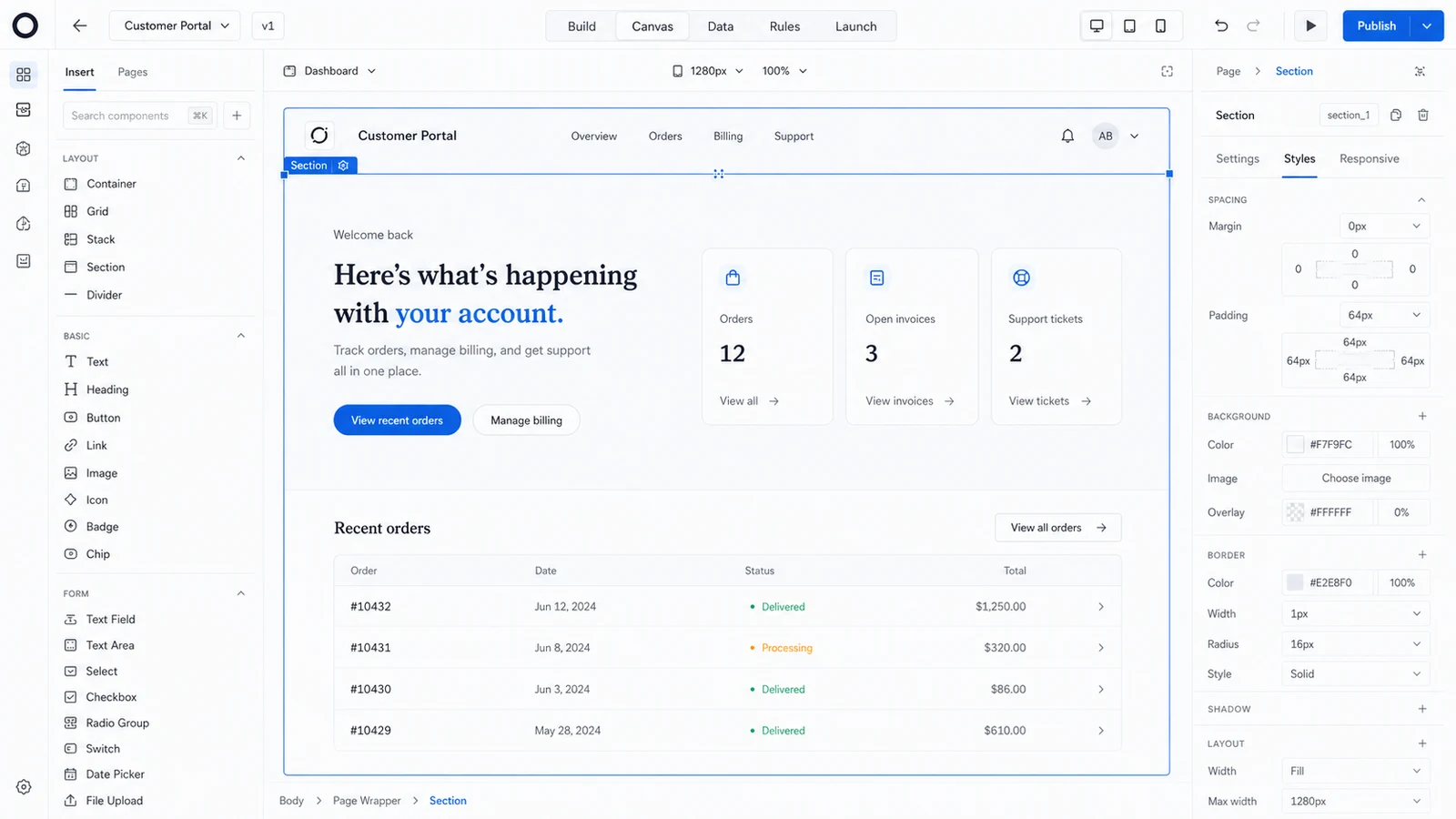
Hand an agent a loose idea and it will build something. It looks finished: clean screens, confident labels, a database that seems complete. Then you use it, and it has solved a slightly different problem than the one you have. Engineers call that drift, and it is why a plan matters more with an agent, not less. Scoping an MVP is deciding what to build and where it stops, before the agent starts.
The pitch
A whole pitch, start to finish.
Not a form to fill in. Orbit writes it from your research and hands it to you to approve. Here is one for an investor CRM.
Investor CRM
You have a great call with an investor and mean to follow up. Two weeks later the thread is cold and you can't recall who is waiting on what. The deal didn't die on merit. It died in your inbox.
Worth a few days to build and an afternoon to review. Not a rival to Salesforce. If it grows past what you can check in one sitting, that is a different project, and a later turn.
Every investor, every conversation, and a queue that floats whoever has gone quiet to the top. One screen you open with your coffee.
No email sync yet. No team seats. No dashboards. Good ideas, wrong turn. They wait.
That is the whole pitch. Short, grounded in what you found, and exactly what the agent builds from. Notice the bet: with an agent, appetite isn't how long it takes, building is cheap now. It is how much you are willing to review and stand behind. You read it, cut what is off, and go.
The scopes
Cut it into pieces the agent can finish.
The pitch says what to build. Scopes are how it gets built: a handful of pieces, each one you can use and check on its own. Get them right and the agent moves without backtracking.
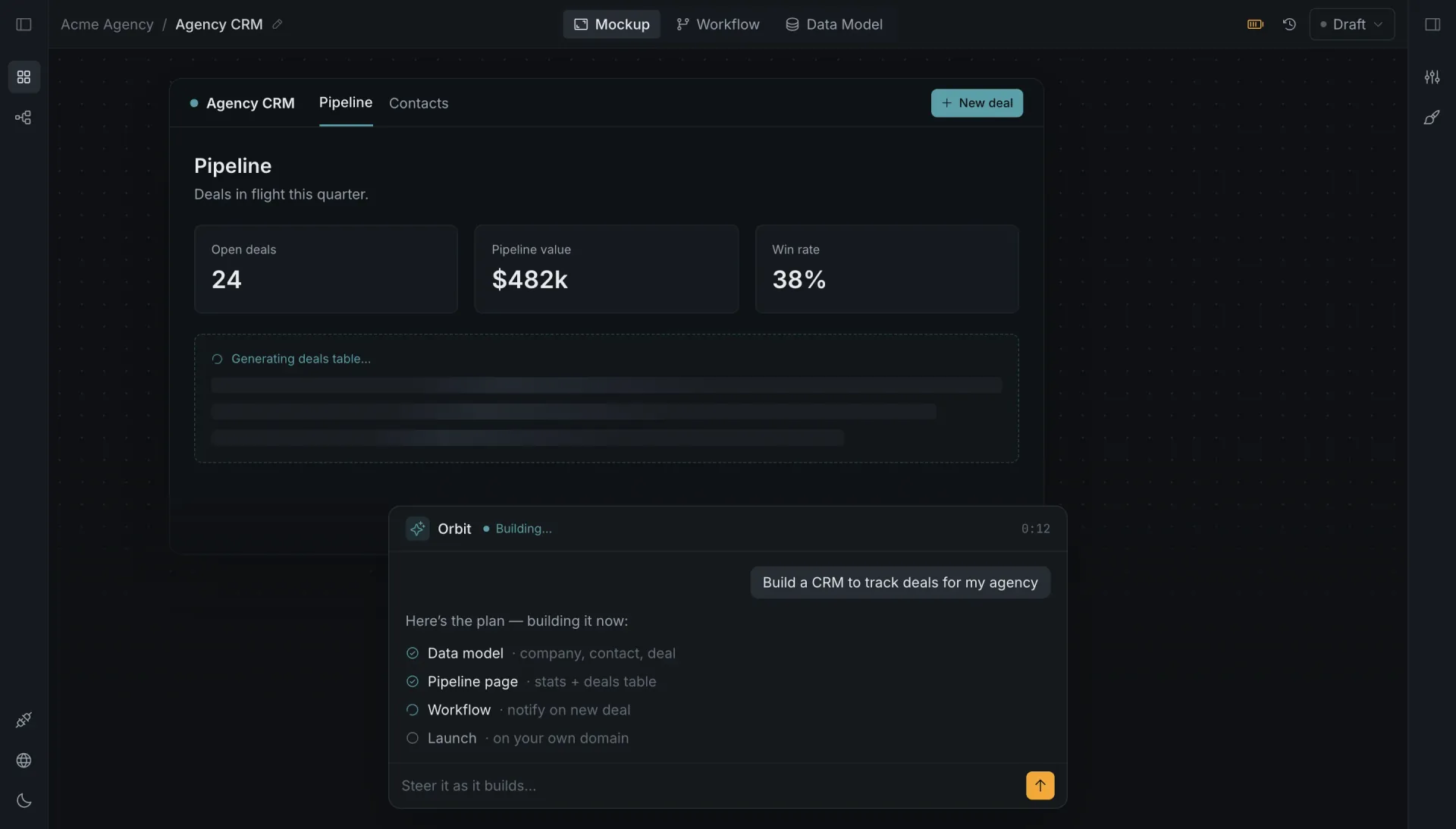
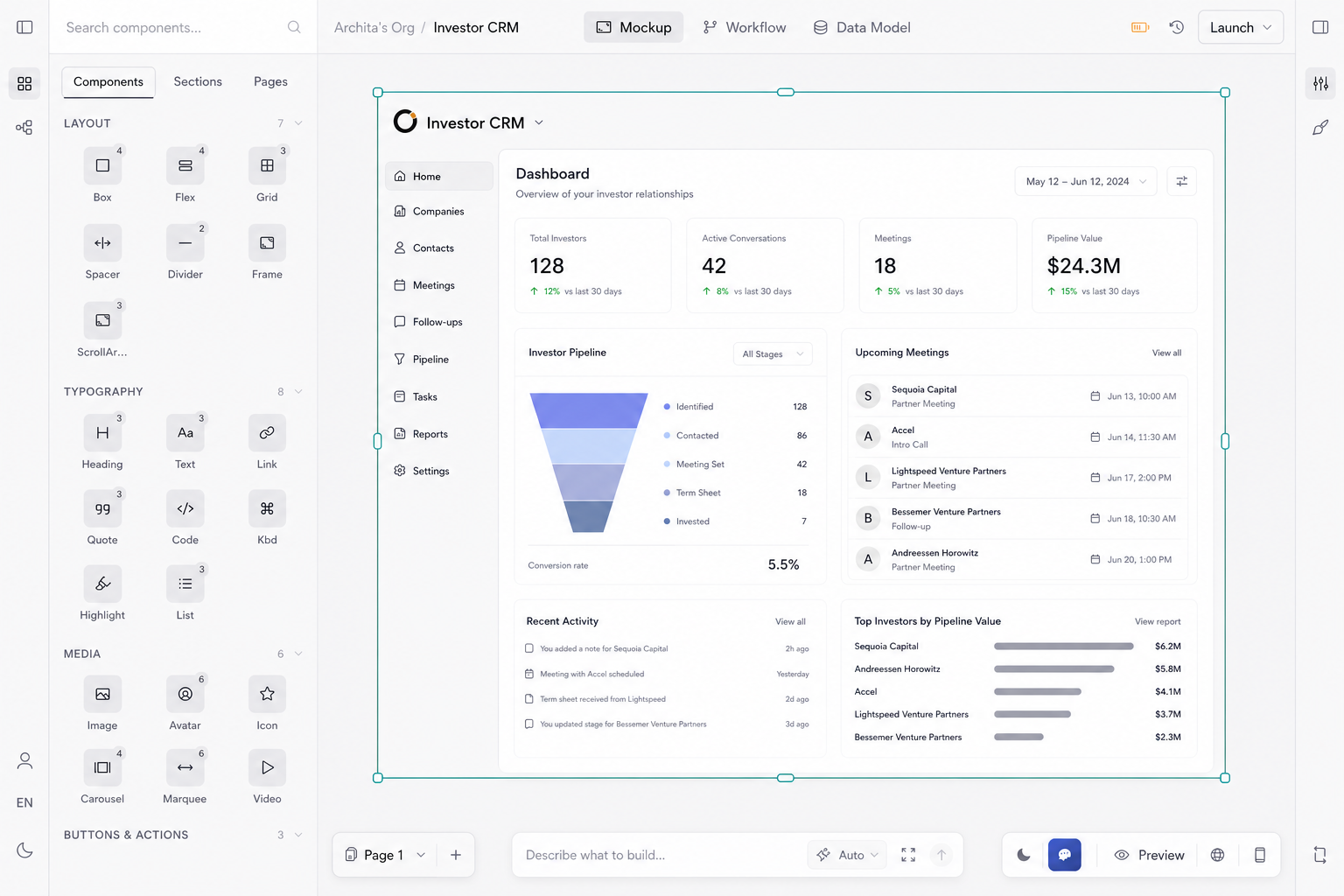
One whole piece, not one layer.
A scope is a capability end to end, the follow-up queue, not the database. Small enough to get right, big enough to matter. You steer the build by naming these, never by reading code.
The unknowns, settled first.
An agent flies through what's known and guesses at what isn't, and guesses compound. So the plan settles the open questions first, from your research or a best guess you can accept or fix. Then the agent builds the settled part.
Checkable, or it isn't done.
Each piece ends with something you can see working. Without a check, looks-done is the only signal the agent has, and looks-done is how the wrong thing ships.
Source of truth
What you approve is what gets built.
In most tools the plan is a document off to the side. Someone reads it, builds their own version of it, and the two quietly part ways. Here the pitch and scopes are the source of truth the agent builds from, not a copy. So the drift never opens up: what you read and approved is what shows up. Change your mind, change the plan, rebuild.
Next in the loop
Now build it.
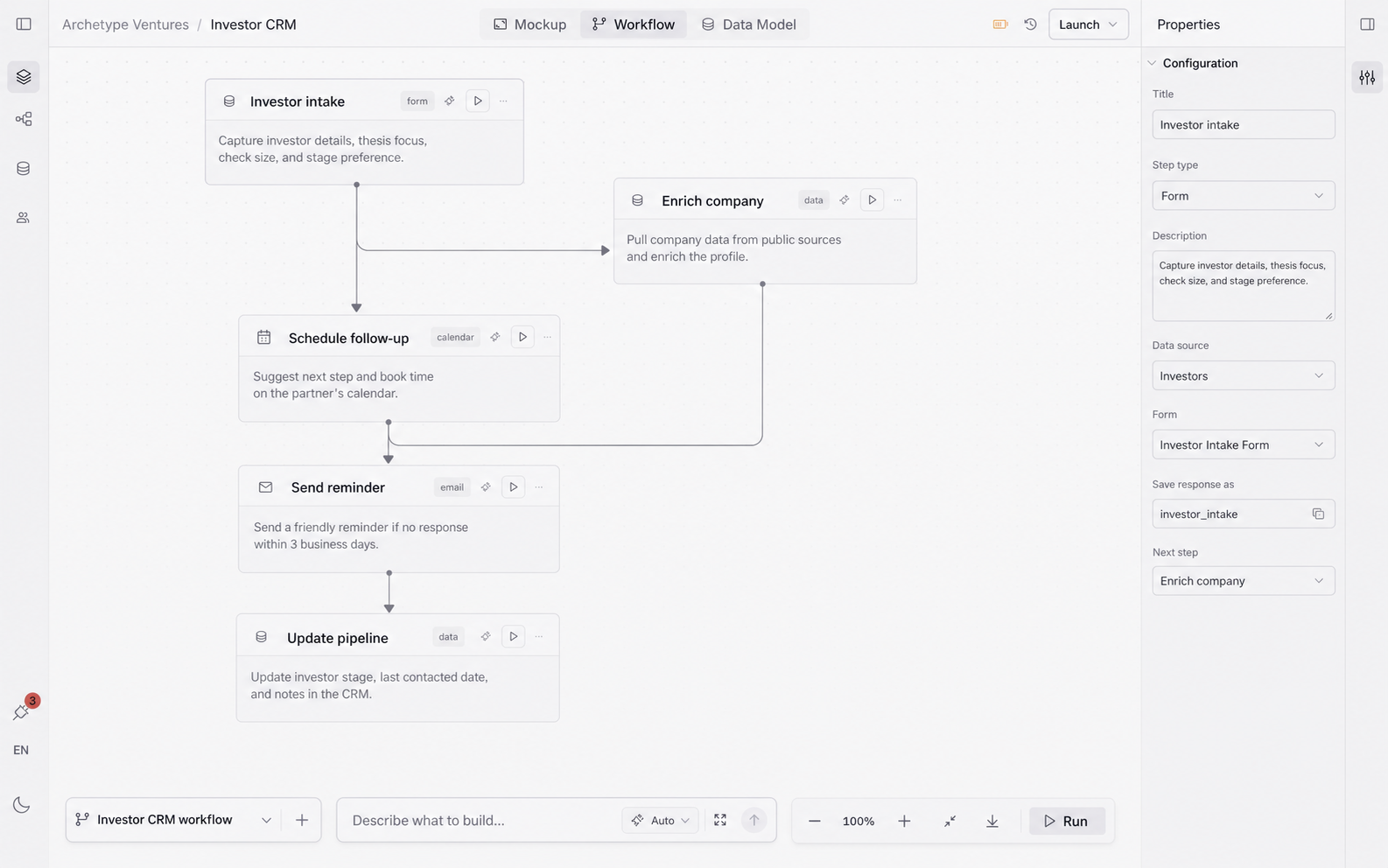
You have a plan you can stand behind and the agent can build. Build turns each scope into working software you can use.
Fair pushback
The objections, out loud.
Isn't this a spec by another name?
Kind of, and that's the point. The difference is what the spec is for. A traditional spec is a document a person translates into code. This one is the source of truth the agent builds from directly, so the plan and the app stay the same thing.
How do you scope a first version without cutting features?
You set an appetite. Not how long it takes, that's cheap now, but how much you're willing to review and stand behind this turn. Then you shape the work to fit that, instead of trimming a wishlist.
Won't the agent fabricate a plausible plan?
That's the risk worth naming: a plan that looks thorough and invents half its detail. Orbit writes the pitch from your board and keeps it short, tied to what you gathered. A plan you trust beats a padded one that reads like rigor.
What if the plan turns out wrong?
You change it and rebuild, which is an afternoon. The plan is your current best read, not a contract. Being able to change it cheaply is the whole point of shaping before building.