
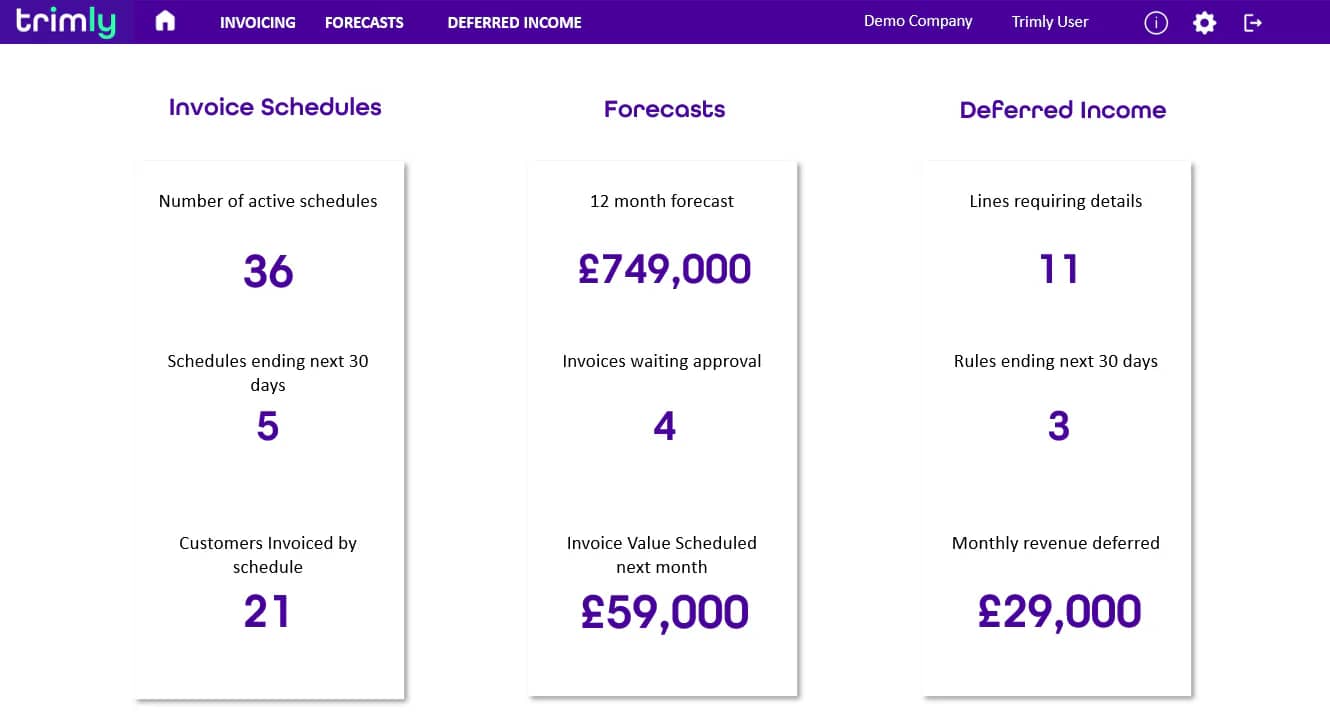
A finance team
Trimly
Month-end used to be a spreadsheet nobody else could open. Now the schedules, the next twelve months, and what's owed all sit on one screen the whole team can read.
Open Trimly
Pick one job. The one that runs on a spreadsheet, two other tools and someone remembering to follow up. We document it, build it, and put it live on your own domain. Your team's total time: about four hours.
Free. No slide deck. You leave knowing what we build first and the day it goes live.
An operations coordinator on $55,000 does not cost you $55,000.
Salary $55,000. Social Security and Medicare at 7.65%: $4,208. Federal unemployment tax: $42. Health insurance, the employer's share of an average single plan: $7,885. That is $67,135 a year, or $5,595 a month, before state unemployment tax, before a recruiter, and before you have covered a single day of leave.
We are $3,000 a month. We start in 14 days. We do not resign.
Every business has one job that never got real software. It runs on messages, attachments and a spreadsheet. Here is how you spot it.
That job costs you money every week. Nobody has time to fix it, because fixing it is a project.
One price, because splitting a build into phases and quotes is how these projects die halfway. Every line below lands in the same month, from the same team.
We sit with the person who does it. Every step, every approval, every exception goes on paper. You pick what the first version covers.
Instead of: six weeks of meetings and a slide deck.
Screens your team uses. Your information in one place. Logins, and each person sees only what they should.
Instead of: two freelancers and the gap between them.
It sorts, checks, follows up and drafts. Your people just approve.
Instead of: the person who does all that by hand every morning.
It looks things up in your app and does the jobs you approve. Same permissions you would give an employee. Nothing more.
Instead of: copying answers out of one tool and into another.
Your team opens it at your domain. Not a preview link with my name on it.
Instead of: hiring somebody to keep a server alive.
My team changed CK News 68 times in the six weeks after launch. The month buys those 68, not just the launch.
Instead of: a quote and a wait for every change.
The app, the data and the code are yours. Ask on day 3 or day 300. My team moves it for you, free.
Instead of: finding out about the lock-in later.
Its own Postgres database, sign-in and roles, server-side workflows, managed hosting with HTTPS, a REST API, and an MCP server so agents call approved actions instead of driving a browser. They can test all of it before you sign anything.
I set the price at $3,000 so it sits under one developer's salary. A number you can decide on your own, in one sitting.
Most software is a place to type. Somebody opens it, reads what came in, decides, and types. Nobody types, nothing moves. A chat box on the side does not change that.
Think of a new hire. They read the email. They check it against your records. They spot what is missing. They write the follow-up and hand it to you. That is what your app does, every day, without being asked.
And ChatGPT can do it too. It gets the same permissions you would give that hire, and nothing more. That is what the $3,000 buys.
It gets the permissions you gave it and nothing more. The rules that cover an employee cover it too.
Everything on the list above. This is the price for the months my team is building. We agree what the first version does before any money moves.
Bring one job, the person who does it, and what it costs you today.
Twelve months at $3,000 is $36,000. Pay up front and it is $30,000. You save $6,000, and your build starts first. Same notice. Same exit. I refund the months you don't use.
Once the job stops changing and there is nothing left to build, the price drops. We keep it running and fix what breaks. You tell me when, not the other way round.
On the call we agree what the first version does. I write the date down. My team misses it, you don't pay for it.
I promise it because it already happens. I sent the CK News plan on 12 July. The client opened a working app on 13 July.
My team builds ten at a time. Seven are running today. That is why I say no to websites and hourly work. That work pays. It would take a slot.
When ten are full, the next call goes on a waitlist. I tell you on the call, not after you pay.
Every screen below belongs to a real business using it today. Not a mockup. Click one and see.
Month-end used to be a spreadsheet nobody else could open. Now the schedules, the next twelve months, and what's owed all sit on one screen the whole team can read.
Open Trimly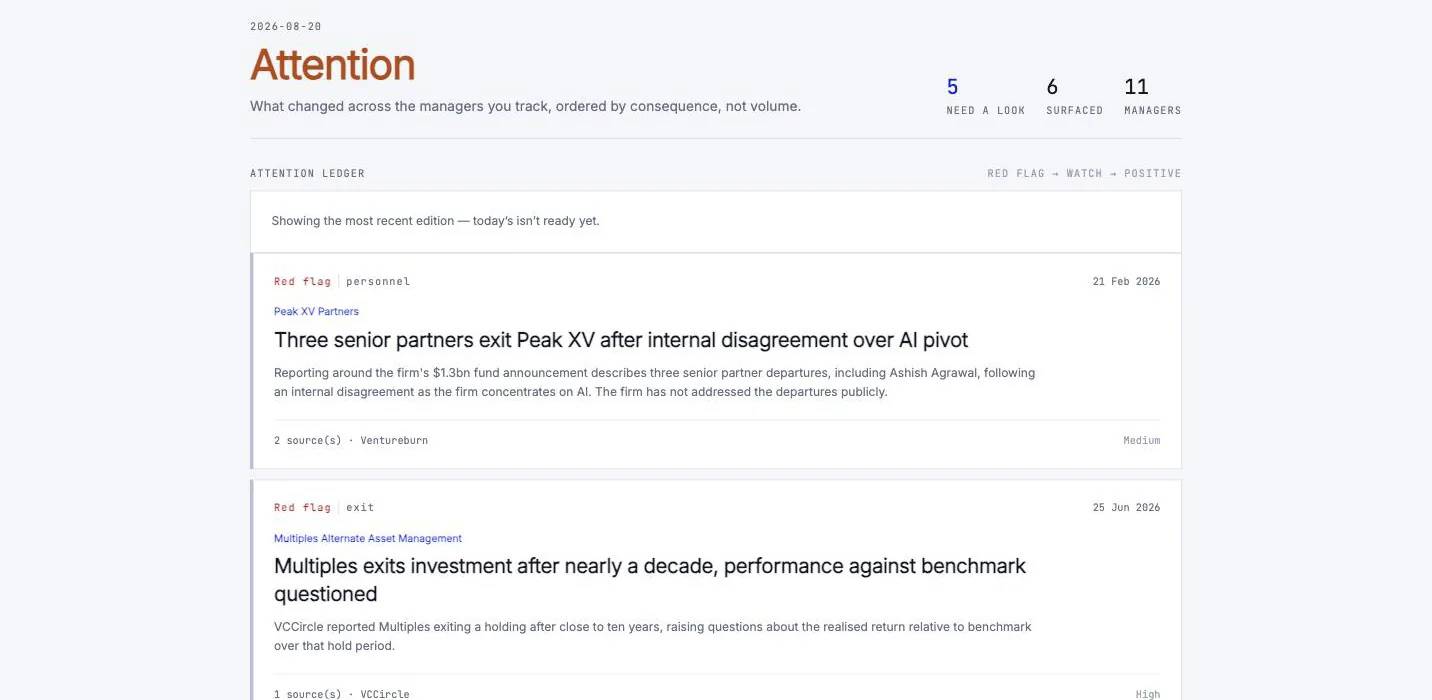
Somebody had to read everything published about the fund managers they track. The app reads it instead, ranks what actually matters, and hands over a short list with every source.
Open CK News
Sign-ups, tickets with QR codes, the agenda, the speakers and the sponsor packages, for a climate-finance forum in New Delhi.
Open India Green Investment ForumThis website runs on the same platform your app would. I put my own business on it before I ask for a month of yours.
That is one app, six weeks after launch. The monthly price is what keeps a number like that going up.
You bring the job and the decisions. My team brings everything else.
Thirty minutes. You walk me through the job. I write down what the first version does and the day it goes live.
Steps, approvals and exceptions, on paper. You sign off before anybody builds anything.
Screens, logins, your data in one place, the work it does on its own, and the parts ChatGPT can use.
Real work, and we fix what they hit. Then the part you are really paying for starts. We change it every week.
Two hours on days one and two, with the people who actually do the job, while we write down how it really runs. Two hours at the end, while your team uses it and tells us what is wrong.
That is the whole ask. We are not going to send you a requirements document to fill in. Doing it for you is the reason this costs what it costs.
Their details, their documents, what is missing, the approval, and the handoff to the team who does the work.
One place they see their files, their progress and what happens next. You stop sending the same update twice.
A request comes in. It becomes a price. Someone approves it. The answer stays on the record.
The one that tracks who is doing what, and what is late. Retire it.
Walk me through the steps. Show me where they go wrong and who patches them.
Waiting. Re-doing work. Extra staff. Customers lost to a slow reply. You have added it up. That number decides how much we build first.
We cut the first version to something your team can use. I write the date down on the call.
No slide deck. You get what we agreed, in writing.
Thirty minutes on Google Meet. The invite comes from Cal.com. Check spam if it is not there in a minute.
On the call we agree what the first version does. I write the date down. My team misses it, you don't pay for it.
One app. Writing down how the job works. Building it. Putting it live at your web address. Running it. Changing it every week after that. Before we start I write down what the first version does, and which outside services bill you on their own.
My own team does the building. Ten at a time is the limit. Seven are running today. That is why I say no to websites and hourly work. That work pays. It would take a slot. When ten are full, the next call goes on a waitlist. I tell you on the call, not after you pay.
Most software only holds what somebody types. This one does the part of the job it can do alone. It sorts what comes in. It spots what is missing. It follows up on what is late. It writes the first draft and hands it to a person. If your software already does that, you don't need me.
You run the business on it. Your team signs in. Each person sees only what they should. The data sits in a real database that is yours. For whoever checks these things: Postgres, HTTPS, managed hosting, a REST API and an MCP server.
Yes. The app, the data and the web address are yours. So is the code. Ask on day 3 or day 300, not just on the way out.
No. $3,000 is the price for the months my team is building. Once the job stops changing and there is nothing left to build, it drops to $1,500. We keep it running and fix what breaks. You tell me when to switch. Want it to grow again? We agree the work and go back to the build price.
Tell me fifteen days before the end of a month. No minimum term. No exit fee. You take the code and the data. My team helps you move it wherever you want. That takes time and I don't charge for it.
We check each one before we start. If your tool can connect, we test it on the call or right after. I don't promise a connection I have not tested.
Anyone who wants a website, developers by the hour, or a list of requests with no end. Anyone whose idea has no owner inside the business yet.
I built Orbit so people can build their own apps without me. Most of this website is about that, and the first app is free.
This page is the opposite. It's for the owner who has a job worth real money and no interest in learning a tool to fix it.
I set the price at $3,000 a month and I capped it at ten clients. Both cost me money. The cap is the expensive one: it means I say no to brochure websites and hourly work, and that work pays. I say no because it would take a slot from an app my team can point at afterwards.
My team and I built Trimly around a finance team's month-end and CK News around what an investor has to read every morning. The two have nothing in common. Bring yours. You already know what it's costing you. On the call, tell me the number.
Pragyan · Founder, Orbit
That job costs you this week. And next week. And the one after.
$3,000 a month · 14 days or it is free · 3 of 10 slots open.