

Concierge · 月額 $3,000 · 残り 10 枠中 3 枠
14 日で、採用しようとしていた仕事をソフトウェアが担います。
業務を一つ選んでください。スプレッドシートと別のツール二つ、そして誰かが忘れずにフォローすることで回っている業務です。私たちがそれを文書にし、構築し、自社ドメインで公開します。チームに必要な時間は合計で約 4 時間です。
14 日で公開。できなければ、お支払いは不要です。
無料です。スライド資料はありません。最初に何を作るか、いつ公開するかが分かった状態でお帰りいただけます。
私のチームが構築し、運用しています
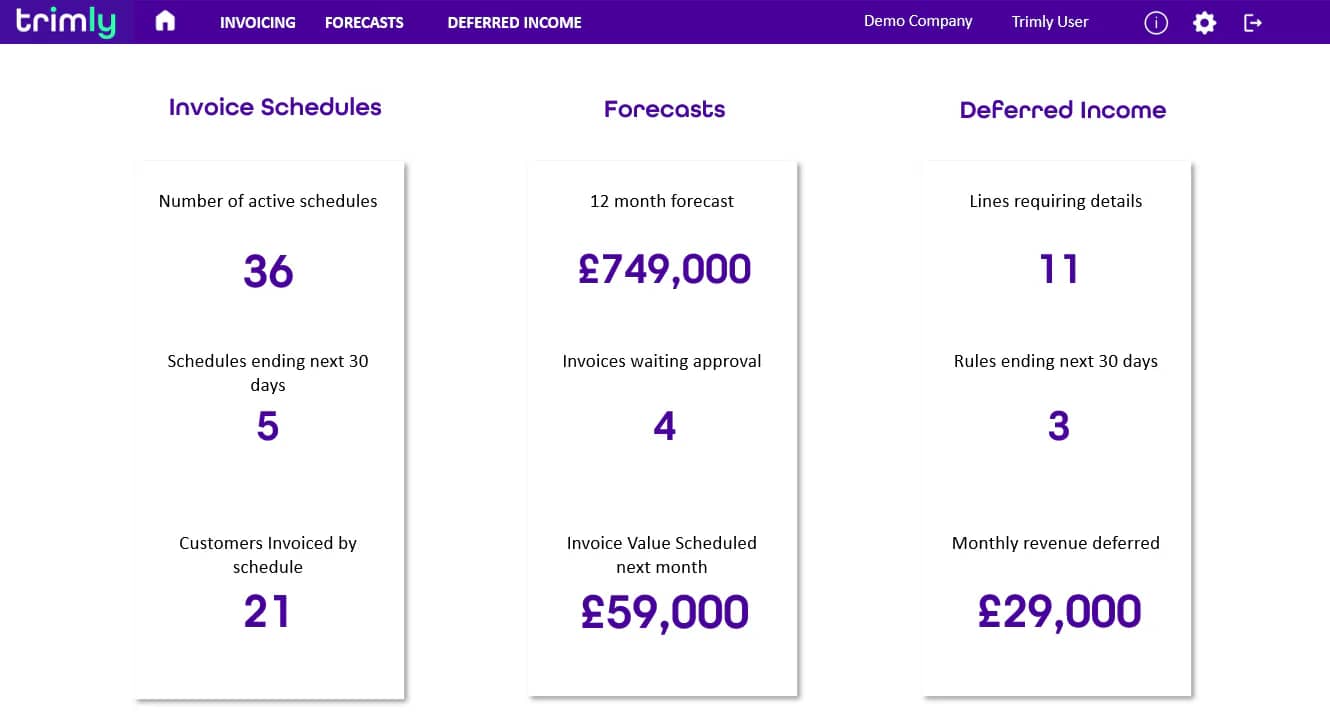
trimly.app
経理チームの月末処理。私のチームが作り、私のチームが運用しています。
代わりに支払うはずだった費用
年収 $55,000 のオペレーション担当者のコストは、$55,000 では済みません。
給与 $55,000。社会保障税とメディケア税 7.65%: $4,208。連邦失業税: $42。健康保険の雇用主負担分 (単身プランの平均): $7,885。合計で年 $67,135、月 $5,595。ここには州の失業税も、採用エージェントへの報酬も、一日分の休暇の穴埋めも含まれていません。
私たちは月額 $3,000。14 日後に稼働します。辞めることもありません。
ここで言う業務
どの業務か、もうお分かりのはずです。
どの会社にも、まともなソフトウェアが一度も入らなかった業務が一つあります。メッセージと添付ファイルとスプレッドシートで回っている業務です。見分け方は次のとおりです。
導入前
今日。
同じ情報を三回入力している。
ルールを知っているのは一人だけ。その人が休むと、業務が止まる。
何が未処理かを尋ねると、誰かが数えに行く。
変更には開発者と見積もりと一か月が必要。だから何も変わらない。
導入後
14 日目。
入力は一度だけ。残りは自動で埋まります。
誰でも回せます。手順は一人の頭の中ではなく、アプリの中にあります。
画面を開けば、答えがそこにあります。
月曜に頼めば、金曜には使えます。
30 分の通話を予約する
その業務は毎週お金を奪っています。直すのは一つのプロジェクトになるので、誰も直す時間がありません。
含まれるもの
すべて込みで、一つの価格。
価格が一つなのは、構築をフェーズと見積もりに分けることが、この種のプロジェクトが途中で頓挫する原因だからです。以下の項目はすべて、同じチームが同じ月に仕上げます。
業務の文書化 (2 日)
業務を担当している人と一緒に座ります。すべての手順、承認、例外を書き出します。最初のバージョンで何を対象にするかは、あなたが選びます。
代わりになるもの: 6 週間の会議とスライド資料。
アプリ (14 日目に公開)
チームが使う画面。情報は一か所に。ログインがあり、各自は見るべきものだけを見られます。
代わりになるもの: フリーランス二人と、その間に生まれる隙間。
仕事をこなします
仕分け、確認、フォロー、下書きまで行います。担当者は承認するだけです。
代わりになるもの: 毎朝それを手作業でこなしている人。
ChatGPT からも使えます
アプリ内の情報を調べ、承認した仕事をこなします。権限は従業員に与えるものと同じです。それ以上はありません。
代わりになるもの: あるツールの答えを別のツールに書き写す作業。
自社の Web アドレス
チームは自社ドメインでアプリを開きます。私の名前が入ったプレビューリンクではありません。
代わりになるもの: サーバーを動かし続けるために人を雇うこと。
毎週の変更 (前回は 68 件)
私のチームは公開後の 6 週間で CK News を 68 回変更しました。月額料金に含まれるのは公開だけではなく、その 68 回の変更です。
代わりになるもの: 変更のたびに見積もりと待ち時間。
すべてあなたのものです
アプリもデータもコードもあなたのものです。3 日目でも 300 日目でも、お申し付けください。私のチームが無料で移行します。
代わりになるもの: ロックインに後から気づくこと。
すべて込みで、月額 $3,000。14 日で公開。できなければ、お支払いは不要です。
30 分の通話を予約する確認を頼む方へ
専用の Postgres データベース、サインインとロール、サーバー側の Workflow、HTTPS 付きのマネージドホスティング、REST API、そして MCP サーバー。エージェントはブラウザを操作する代わりに、承認された操作を呼び出します。契約前にすべてを試せます。
価格を $3,000 にしたのは、開発者一人の給与を下回るようにするためです。一度の検討で、ご自身だけで決められる金額です。
何が違うのか
チャットボットは答えるだけ。これは仕事をこなします。
ほとんどのソフトウェアは入力する場所です。誰かが開き、届いたものを読み、判断し、入力します。誰も入力しなければ、何も進みません。横にチャット欄を付けても、それは変わりません。
新しく入った社員を思い浮かべてください。メールを読み、記録と照らし合わせ、足りないものに気づき、フォローの文面を書いてあなたに渡します。あなたのアプリは、言われなくても毎日それを行います。
そして ChatGPT にも同じことができます。その社員に与えるのと同じ権限だけを持ち、それ以上は持ちません。$3,000 で手に入るのは、これです。
例: 新規顧客アプリは一つ。担い手は三者。
あなたのチーム判断する
顧客から届いたものを読む
承認する
作業を始める
アプリ頼まれなくても動く
届いた書類をその都度ファイルする
承認する人のために要約を書く
遅れているものがあればフォローの文面を書く
あなたの AI アシスタント許可した範囲で動く
顧客を調べる
足りない書類を確認する
代わりに作業を始める
三者が共有するもの同じ情報同じ手順同じ権限
与えた権限だけを持ち、それ以上は持ちません。従業員に適用されるルールが、そのまま適用されます。
価格
月額 $3,000。
上の一覧のすべてが含まれます。これは私のチームが構築している期間の価格です。お金が動く前に、最初のバージョンで何をするかを合意します。
30 分の通話を予約する
業務を一つ、その担当者、そして今かかっているコストをお持ちください。
月単位の契約
解約は 15 日前の通知で可能
コードとデータはお持ち帰りいただけます
または年払い
$30,000.
$3,000 の 12 か月分は $36,000 です。前払いなら $30,000 です。$6,000 お得になり、構築も先に始まります。通知期間も解約条件も同じです。使わなかった月の分は返金します。
その後
月額 $1,500。
業務の変更がなくなり、作るものが残っていなければ、価格は下がります。私たちは運用を続け、壊れたものを直します。その時期を決めるのは私ではなく、あなたです。
約束
14 日。できなければ無料です。
通話で、最初のバージョンで何をするかを合意します。私がその日付を書き留めます。私のチームが間に合わなければ、お支払いは不要です。
約束できるのは、すでに実際にそうなっているからです。私は 7 月 12 日に CK News の計画を送りました。クライアントは 7 月 13 日に動くアプリを開きました。
お引き受けする数
残り 10 枠中 3 枠。
私のチームは一度に 10 件を構築します。今 7 件が稼働中です。だから Web サイト制作や時間単位の仕事はお断りしています。その仕事も収入にはなりますが、枠を一つ使ってしまいます。
10 枠が埋まると、次の通話はウェイティングリストに入ります。それはお支払いの後ではなく、通話の中でお伝えします。
通話を予約すべきなのは
その業務がすでにコストを生んでいる場合です。
毎週発生していて、担当者が一人いる。
待ち時間、再入力、ミスがお金を奪っている。
チームが手順を説明できる。
仕組みをあなたが決められる。委員会は不要。
予約すべきでないのは
機能の一覧を作ってほしい場合です。
アイデアが曖昧で、結果に責任を持つ人がいない。
Web サイトや既製のツールですでに解決できる。
時間単位の開発者や、終わりのない要望リストを求めている。
初日から自社のサーバーで動かす必要がある。
構築済み、稼働中
一つ開いて、見てください。
下の画面はどれも、今日実際に使っている企業のものです。Mockup ではありません。クリックしてご覧ください。
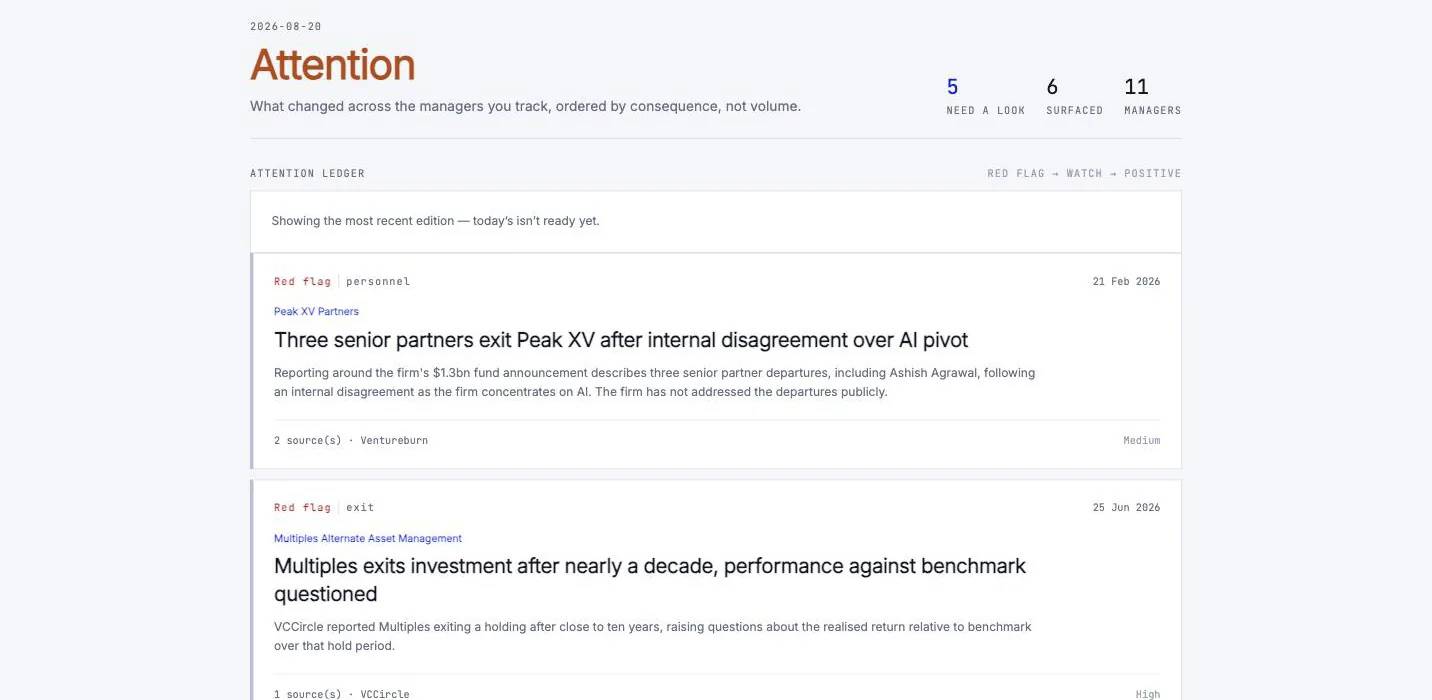
投資会社
CK News
以前は、追跡しているファンドマネージャーについて公開されたものすべてを、誰かが読む必要がありました。今はアプリが代わりに読み、本当に重要なものを順位付けし、すべての情報源付きの短いリストを渡します。
CK News を開く
2 日間のカンファレンス
India Green Investment Forum
ニューデリーで開かれる気候金融フォーラムのための、参加登録、QR コード付きチケット、アジェンダ、登壇者、スポンサーパッケージ。
India Green Investment Forum を開くそしてこのページ
あなたはすでに、その一つを見ています。
この Web サイトは、あなたのアプリと同じプラットフォームで動いています。あなたに一か月をお願いする前に、私は自分の事業をここに載せました。
数字で見る CK News
5画面
14レコードの種類
11自動でこなす仕事
686 週間での変更
これは一つのアプリの、公開から 6 週間後の数字です。月額料金があるからこそ、こうした数字が伸び続けます。
最初の 14 日間
通話から公開まで。
あなたが持ち込むのは業務と判断。それ以外はすべて私のチームが用意します。
0 日目
話し合います。
30 分です。業務の流れを説明していただきます。最初のバージョンで何をするか、そして公開日を私が書き留めます。
1〜2 日目
書き出します。
手順、承認、例外を文書にします。誰かが何かを作り始める前に、あなたの承認をいただきます。
3〜11 日目
構築します。
画面、ログイン、一か所にまとまったデータ、自動でこなす仕事、そして ChatGPT から使える部分。
12〜14 日目
チームが使います。
実際の業務で使い、ぶつかった問題を私たちが直します。そこから、本当にお支払いいただく部分が始まります。毎週、変更を加えていきます。
あなたの負担は 4 時間です
1 日目と 2 日目に 2 時間。実際に業務を担当している人と一緒に、本当の回り方を書き出します。最後に 2 時間。チームが使ってみて、何がおかしいかを教えていただきます。
お願いするのはそれだけです。記入用の要件定義書を送ることはありません。それを代わりに行うことが、この価格の理由です。
最初に向いている業務
繰り返しの多いところから。
新規顧客の受け入れ
顧客の情報、書類、足りないもの、承認、そして実作業を担うチームへの引き継ぎ。
顧客への進捗共有
顧客が自分のファイル、進捗、次に起きることを一か所で確認できます。同じ報告を二度送る必要はなくなります。
見積もりと承認
依頼が届き、価格になり、誰かが承認します。その回答は記録に残ります。
共有スプレッドシート
誰が何をしていて、何が遅れているかを管理しているあのシートです。引退させましょう。
含まれるもの
- アプリはあなたのものです。ドメインもデータベースも。
- 公開後の変更も含まれます。あるクライアントは 6 週間で 68 件を依頼しました。
- いつでも解約でき、アプリは手元に残ります。
- チームに必要な時間は合計 4 時間です。
- 12 日目から 14 日目は、チームが使い、私たちが問題を直します。
- 同時に受けるクライアントは 10 社まで。
通話で行うこと
30 分。質問は三つ。
01
どの業務で、誰が担当しているか。
手順を説明してください。どこで問題が起き、誰が取り繕っているかを見せてください。
02
今どれだけのコストがかかっているか。
待ち時間。やり直し。余分な人員。返信の遅さで失った顧客。その合計はもう把握されているはずです。その金額で、最初にどこまで作るかが決まります。
03
14 日目に何が公開されるか。
最初のバージョンは、チームが使える範囲に絞ります。公開日は通話の中で私が書き留めます。
30 分の通話を予約する
スライド資料はありません。合意した内容を書面でお渡しします。
通話を予約する
時間を選んでください。
Google Meet で 30 分です。招待は Cal.com から届きます。1 分ほどで届かない場合は迷惑メールをご確認ください。
よくある質問
14 日の約束とは何ですか?
通話で、最初のバージョンで何をするかを合意します。私がその日付を書き留めます。私のチームが間に合わなければ、お支払いは不要です。
月額 $3,000 には何が含まれますか?
アプリ一つ分です。業務の流れを書き出し、構築し、あなたの Web アドレスで公開し、運用し、その後も毎週変更を加えます。始める前に、最初のバージョンで何をするか、そしてどの外部サービスが別途請求するかを書面にします。
なぜクライアントは 10 社だけなのですか?
構築は私自身のチームが行います。同時に 10 件が上限です。今 7 件が稼働中です。だから Web サイト制作や時間単位の仕事はお断りしています。その仕事も収入にはなりますが、枠を一つ使ってしまいます。10 枠が埋まると、次の通話はウェイティングリストに入ります。それはお支払いの後ではなく、通話の中でお伝えします。
すでにソフトウェアはあります。なぜこれが必要なのですか?
ほとんどのソフトウェアは、誰かが入力したものを保存するだけです。これは、業務のうち自分でこなせる部分を行います。届いたものを仕分け、足りないものに気づき、遅れているものをフォローし、最初の下書きを書いて人に渡します。今のソフトウェアがすでにそれをしているなら、私は必要ありません。
これはデモですか、それとも事業を回せますか?
事業を回せます。チームはサインインし、各自は見るべきものだけを見られます。データはあなたのものである本物のデータベースに入ります。確認を担当する方向けに: Postgres、HTTPS、マネージドホスティング、REST API、MCP サーバー。
所有権は私たちにありますか?
はい。アプリもデータも Web アドレスもあなたのものです。コードもです。解約時だけでなく、3 日目でも 300 日目でもお申し付けください。
$3,000 をずっと払い続けるのですか?
いいえ。$3,000 は私のチームが構築している期間の価格です。業務の変更がなくなり、作るものが残っていなければ、$1,500 に下がります。私たちは運用を続け、壊れたものを直します。切り替えの時期はあなたが決めます。また拡張したくなったら、作業内容を合意して構築時の価格に戻ります。
やめたくなったら?
月末の 15 日前までにお知らせください。最低契約期間も解約手数料もありません。コードとデータはお持ち帰りいただけます。移行先がどこであっても、私のチームが移行をお手伝いします。手間はかかりますが、費用はいただきません。
今使っているツールと連携できますか?
始める前に一つずつ確認します。接続できるツールなら、通話中かその直後にテストします。テストしていない連携をお約束することはありません。
予約すべきでないのは誰ですか?
Web サイトを求める方、時間単位の開発者を求める方、終わりのない要望リストをお持ちの方。そして、そのアイデアの責任者がまだ社内にいない方です。
Pragyan からのメッセージ
Orbit は道具。これは仕事そのものです。
私が Orbit を作ったのは、私がいなくても誰もが自分のアプリを作れるようにするためです。この Web サイトの大半はその話で、最初のアプリは無料です。
このページはその逆です。大きなお金が動く業務を抱えながら、それを直すために道具を学ぶ気はないオーナーのためのページです。
価格は月額 $3,000 とし、クライアントは 10 社までに限りました。どちらも私にとってはコストです。高くつくのは上限のほうです。会社案内サイトや時間単位の仕事は、収入にはなっても断ることになります。断るのは、それが私のチームが後で実績として示せるアプリの枠を一つ奪うからです。
私のチームと私は、経理チームの月末処理に合わせて Trimly を、投資家が毎朝読むべきものに合わせて CK News を作りました。二つに共通点はありません。あなたの業務をお持ちください。それがいくらかかっているかは、すでにご存じのはずです。通話でその金額を教えてください。
Pragyan · Orbit 創業者
その業務は今週もコストを生んでいます。来週も、その次の週も。
業務を選んでください。14 日で私が作ります。
月額 $3,000 · 14 日でできなければ無料 · 残り 10 枠中 3 枠
月額 $3,000残り 10 枠中 3 枠
通話を予約する